
The Introduction to Quantum Computing provides a gateway into a revolutionary field of technology that operates on the principles of quantum mechanics. Unlike classical computers that use bits for processing information, quantum computers use quantum bits, or qubits, which can represent multiple states simultaneously. This allows for immense processing power and the ability to solve complex problems at an unprecedented speed.
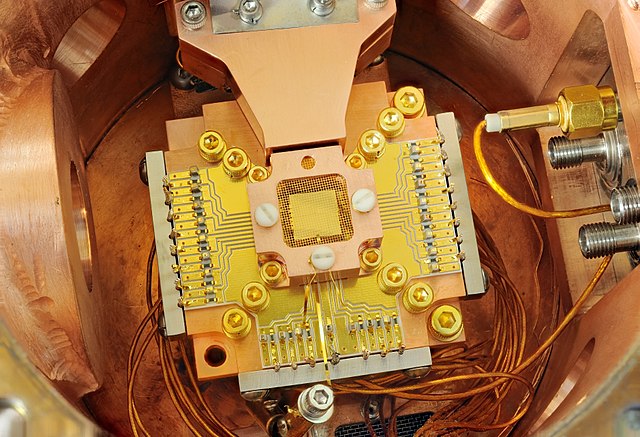
Table of Contents
Quantum Computing Basics
In the quantum realm, the basic unit of information is the qubit. Unlike a classical bit that can only be in one of two states (0 or 1), a qubit can exist in multiple states thanks to the phenomena of superposition and entanglement. Developers venturing into the world of quantum computing should become familiar with these aspects, as they are fundamental to understanding how quantum computers function.
Quantum vs. Classical Computing
The stark difference between quantum and classical computing lies in their approach to data processing. Quantum computers leverage quantum state properties to perform complex calculations more efficiently than their classical counterparts. For developers, this means understanding a new paradigm of programming and problem-solving methods, as the usual binary logic does not apply in the same way.
Getting Started with Quantum Development
To begin exploring quantum computing, developers should start by grasping the essential concepts and then venture into popular quantum computing platforms like IBM’s Qiskit or Microsoft’s Quantum Development Kit (QDK). These platforms often provide simulators that run on classical computers as well as access to real quantum hardware.
// Sample code to create a quantum circuit using Qiskit
const qiskit = require('qiskit');
let QuantumCircuit = qiskit.QuantumCircuit;
let circuit = new QuantumCircuit(2, 2);

// Apply quantum gates
circuit.h(0);
circuit.cx(0, 1);

// Measure qubits
circuit.measure([0,1], [0,1]);
Quantum Programming Languages
Several quantum programming languages and frameworks have emerged to facilitate quantum software development. Quantum assembly language (QASM), Q#, and Qiskit’s Python-based interface are a few examples. Developers often favor high-level abstractions provided by these languages, as they make the process of writing quantum algorithms more accessible.
Key Quantum Algorithms
It’s essential for developers to familiarize themselves with landmark quantum algorithms like Shor’s algorithm for factoring and Grover’s algorithm for database search. These algorithms showcase the potential of quantum computing to tackle specific problems far more efficiently than classical algorithms.
Challenges in Quantum Computing
Developers should be aware of the current challenges facing quantum computing, such as error correction, decoherence, and the limitations of hardware. While theoretical models of quantum computers promise great potential, physical implementation is still a work in progress, demanding ongoing research and development.
The Future Impact of Quantum Computing
The long-term implications of quantum computing are vast, potentially transforming fields such as cryptography, drug discovery, optimization problems, and more. Developers who stay informed and engaged with the advances in quantum technology can expect to play a pivotal role in harnessing its capabilities.
Conclusive Summary
In summary, the Introduction to Quantum Computing is a stepping stone for developers into a world where computing is no longer binary but multidimensional. As quantum technology advances, developers need to adapt to the quantum mindset, understand the key principles and algorithms, and be prepared for the challenges inherent in this burgeoning field. Embracing quantum computing today positions developers at the forefront of tomorrow’s technological breakthroughs.
